

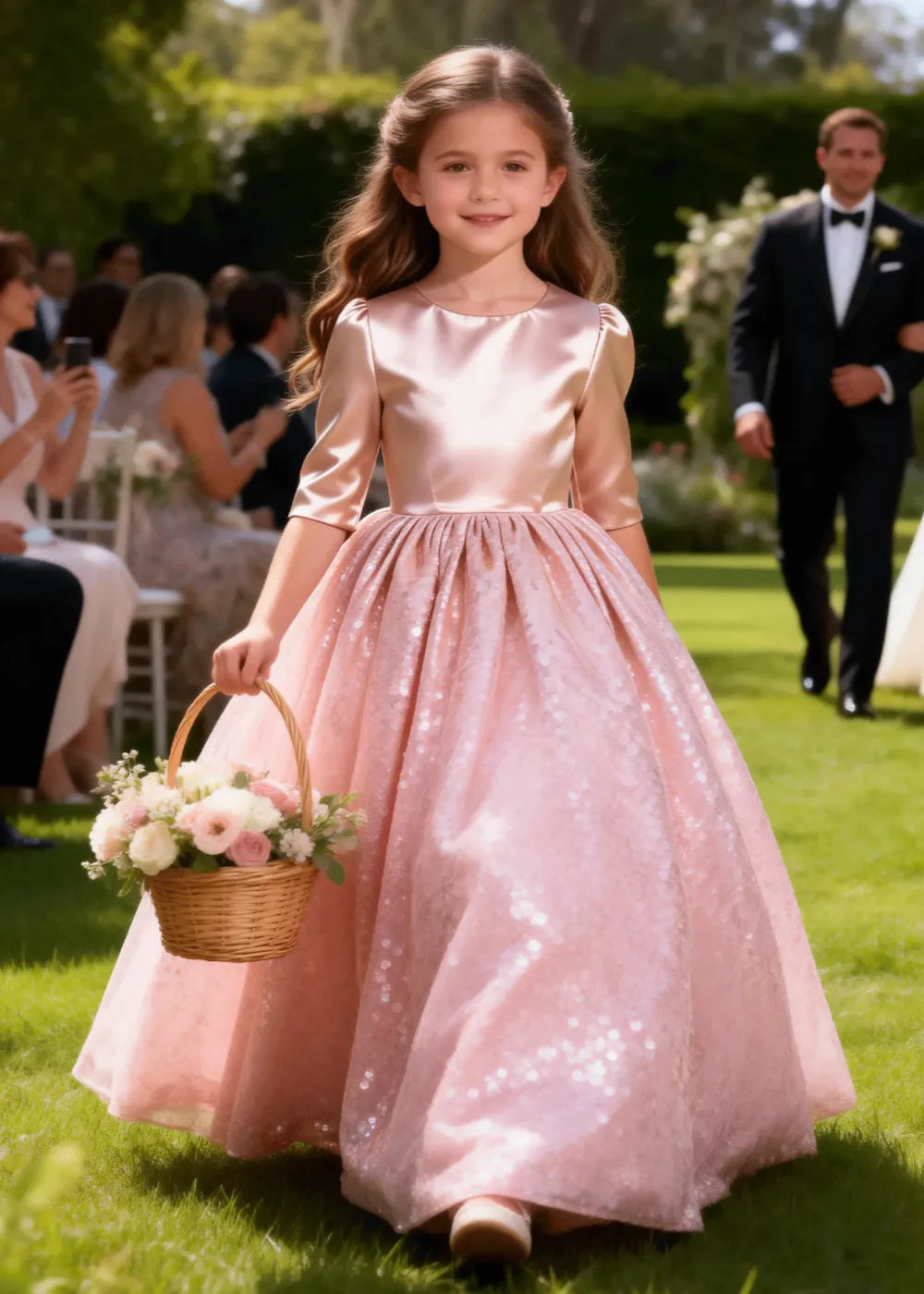

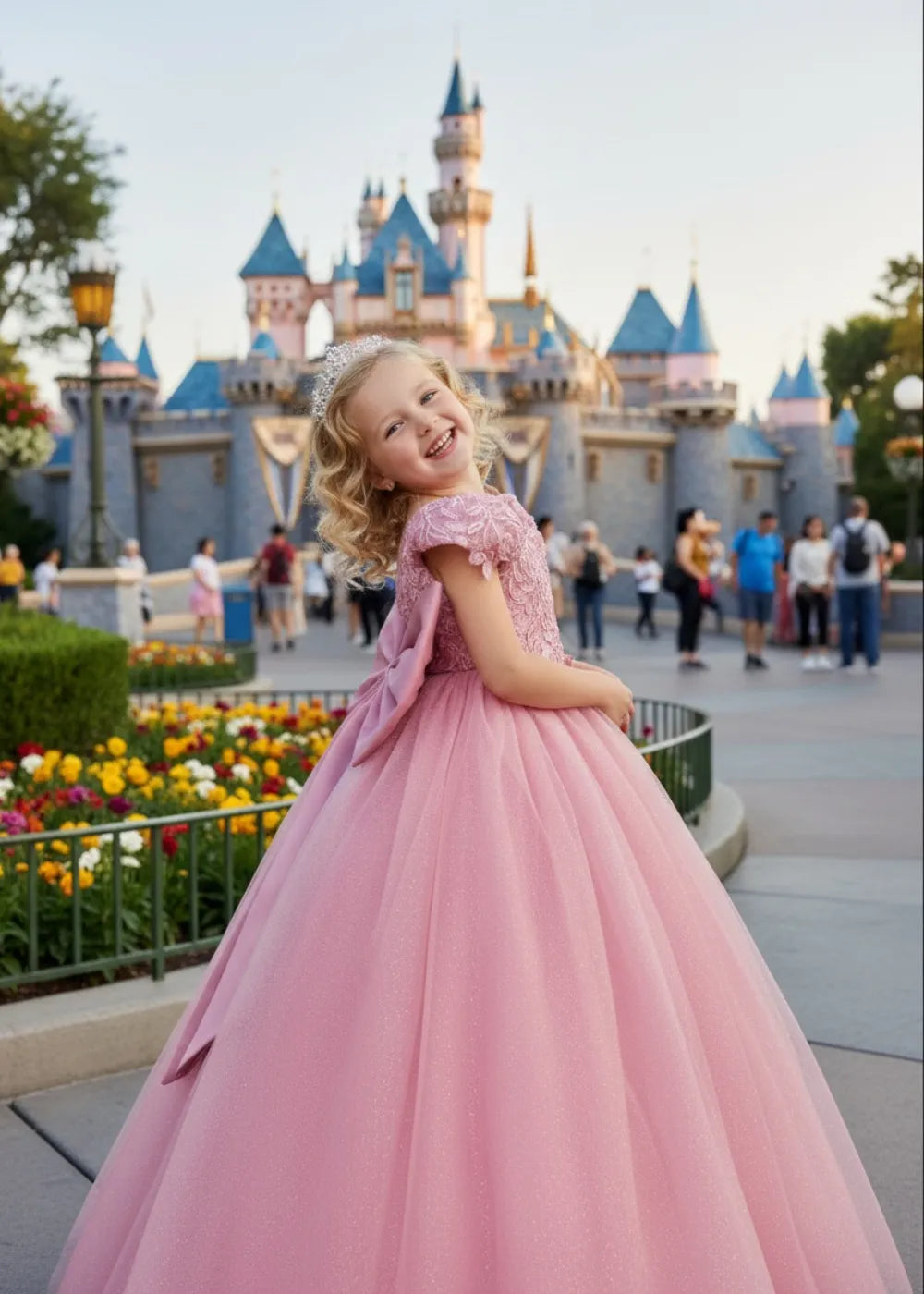

Choosing first communion dresses for girls is different from choosing a regular white party dress.
First Communion, also called First Holy Communion, is a church ceremony, a family milestone, and a photo day at the same time. The dress should look clean and beautiful, but it also needs to follow the parish dress code, feel age-appropriate, and stay comfortable through Mass, photos, greetings, and family lunch.
That is where many families hesitate.
Does the dress have to be white?
Are sleeveless dresses allowed?
Is floor-length too formal?
Should she wear lace, satin, tulle, or chiffon?
What works for an older girl receiving First Communion later?
The safest answer is simple: check the parish or school dress code first, then choose a white or soft white dress with modest coverage, an appropriate length, soft lining, and enough movement for the whole day. If ivory is allowed, keep the styling simple and church-appropriate.
This guide explains how to choose a First Communion dress by church rules, color, neckline, sleeves, length, fabric, age, and ceremony setting.
What You'll Learn
Here is the short version of what you can decide by the end.
Quick Answer: What First Communion Dress Works Best?
The best First Communion dress for girls is usually white or soft white, modest, age-appropriate, and comfortable enough for sitting, standing, walking, kneeling, and taking photos.
A safe dress usually has a neat neckline, covered or easily covered shoulders, soft lining, and a formal fabric such as lace, satin, soft tulle, chiffon, or organza. The dress should feel special, but it should not look like a bridal gown, pageant costume, or party dress.
Very short hems, open backs, spaghetti straps, heavy sparkle, oversized pageant skirts, and uncomfortable linings are usually less reliable for First Communion.
The First Communion Dress Code: Start With the Parish Rules
The first rule is not fabric, color, or style. It is the parish dress code.
First Communion dress rules are not identical everywhere. Some churches give very specific instructions. Others only say the outfit should be modest, white, formal, or appropriate for church. If your parish, school, or catechist gives written guidance, follow that before buying the dress.
Parish rules vary, so use public dress-code pages as examples, not universal rules. Some parish guidelines mention white modest dresses, covered shoulders, and knee-length-or-longer hems. Others focus on whether the child can sit, stand, and kneel without the dress getting in the way. For example, the St. Catherine of Siena First Communion dress guidelines mention white dresses, covered shoulders, and knee-length-or-longer hems. The St. Patrick FHC Ceremony Dress Code emphasizes below-knee length and movement for sitting, standing, and kneeling.
That is why Catholic First Communion dresses should be chosen in this order:
When there is no detailed dress code, use the setting as the guide. The dress should feel appropriate for church, family photos, and a formal lunch at the same time.
For families preparing for the full First Holy Communion day, this parent-focused video gives useful context before choosing the final dress, especially when you are balancing church expectations, family photos, and the celebration afterward.
Fit Test 1: White, Ivory, and Color Expectations
White is the safest and most traditional direction for a First Communion dress.
Many families start with white communion dresses because white photographs cleanly, feels appropriate for the sacrament, and usually fits parish expectations. Soft white can be a gentler version of the same idea, especially under indoor church lighting.
Ivory may work if the parish allows it. Champagne should be checked carefully because some parishes expect a clearly white dress. Colored dresses are usually not the first choice unless the church or school specifically allows them.
The goal is not just a pretty white dress. The goal is a white or soft white dress that still feels modest, simple, and child-appropriate.
Verdict: Start with white or soft white unless your parish clearly allows ivory or another color.
Fit Test 2: Neckline, Sleeves, and Coverage

Coverage is one of the most important parts of a First Communion dress.
A modest neckline and covered shoulders usually make the outfit easier to approve. Round necklines, jewel necklines, bateau necklines, soft square necklines, and higher illusion necklines are usually safer than low scoop necklines, deep V-necks, halter necks, or open-back styles.
Sleeves are not always required, but they often solve the dress-code problem before it starts. Short sleeves, cap sleeves, lace sleeves, puff sleeves, flutter sleeves, and long sleeves can all work. If the dress is sleeveless, a white cardigan, bolero, shrug, or small jacket can make it more church-ready.
A style such as the Lace Long Sleeve First Communion Dress for Girls fits this test well because the sleeve coverage, lace bodice, and formal tulle shape already feel ceremony-ready without needing an extra layer.
The dress does not need to look plain. Lace sleeves, a soft puff sleeve, a simple bow, or a delicate bodice can make the outfit feel special without making it inappropriate.
Verdict: If the neckline, shoulders, and back all feel appropriate for a church photo, the dress is usually on the right track.
Fit Test 3: Length and Movement

Length matters because First Communion is a ceremony, not only a photo moment.
The dress should allow her to sit, stand, walk, kneel, step into a pew, and move through family photos without pulling at the skirt. A beautiful dress still fails if it works for photos but fails during Mass.
Below-knee, tea-length, and mid-calf dresses are usually the safest choices. Floor-length dresses can work for more formal ceremonies or portraits, but they need careful checking. If the skirt is too long, too heavy, or too wide, it may become difficult for a child to manage during the service.
For younger girls, a tea-length style like the Puff Sleeve Princess Flower Girl Dress shows why below-knee length can be practical: it still looks formal, but it is easier for walking, sitting, and moving through the day.
Before keeping the dress, test it at home. Have her sit, stand, walk, turn, step up, and kneel if kneeling is part of the ceremony. If the skirt bunches, catches under her shoes, or makes her adjust it constantly, choose a simpler length.
Verdict: The best First Communion dress looks formal when standing and still works when sitting, walking, and kneeling.
Fabric Guide: Lace, Satin, Tulle, Chiffon, and Lining

Fabric changes how a First Communion dress looks, feels, and photographs.
For this ceremony, fabric should support the sacrament rather than overpower it. Lace, satin, soft tulle, chiffon, organza, and comfortable lining can all work when the dress is modest and easy to wear.
Lace
Lace is one of the most traditional choices for First Communion.
It feels formal, soft, and church-appropriate without needing heavy sparkle. A white lace style from lace dresses for girls can work when the neckline, sleeves, length, and lining match the parish dress code.
The caution is comfort. Lace should not scratch the neck, underarm, or wrist. Check the lining behind the bodice and sleeves before the ceremony day.
Satin
Satin looks polished and photographs beautifully.
It works best when the shape is simple and the fabric is not too heavy for the season. Satin can feel very formal, so avoid making the styling too bridal. A satin sash, clean A-line skirt, or simple bow can be enough.
If the ceremony is in warm weather, check whether the satin feels breathable enough for Mass and photos. Heavy satin can look elegant but may feel warm on an active child. For a deeper fabric comparison, this satin flower girl dress guide explains when satin photographs well and when it may feel too warm or structured.
Soft Tulle
Soft tulle gives a classic First Communion look, especially for younger girls.
The key word is soft. Tulle can feel beautiful and age-appropriate when the skirt is lined, gentle, and not too oversized. Very stiff or extra-wide tulle skirts may look dramatic in photos but can become harder to manage in church seating.
Chiffon
Chiffon is useful when the family wants a lighter, simpler look.
It is softer and less structured than satin or heavy tulle. For families who prefer a cleaner white dress, the Grace Long Sleeve Chiffon Gown is a useful example of how chiffon, long sleeves, and a clean round neckline can create a modest First Communion outfit without heavy decoration.
Chiffon is especially useful for older girls receiving First Communion later because it feels refined without relying on princess volume.
Lining
Lining is not the most visible part of the dress, but it may be the most important part of comfort.
A First Communion dress may be worn for several hours. If the bodice is itchy, the waistband is tight, or the skirt lining is rough, the child will feel it through the ceremony. Check lining at the neck, waist, sleeves, and skirt before committing.
Verdict: Choose the fabric for the whole day, not only the hanger photo.
First Communion Dresses by Age

Age changes the best dress choice.
A younger girl may look right in lace sleeves, puff sleeves, soft tulle, and tea-length skirts. An older girl receiving First Communion later may prefer a cleaner A-line dress, chiffon gown, or modest midi style.
First Communion Dresses for Younger Girls
Younger girls usually need comfort and movement first.
Good choices include tea-length dresses, soft tulle skirts, short sleeves, cap sleeves, lace bodices, round necklines, and simple bows. The dress can feel sweet, but it should still look appropriate for church.
For younger girls, avoid anything too heavy, too long, too scratchy, or too difficult to manage. A full skirt can be beautiful, but it should not make it hard to sit in a pew, walk with the group, or kneel during the service.
The best girls First Communion dress is often the one that feels special without making the day harder.
First Communion Dresses for Older Girls Receiving Later
Older girls may not want a very young princess look.
This is useful for families searching for teenage First Communion dresses, communion dresses for teenagers, or First Communion dresses for 13- to 15-year-olds. The dress should still be modest and church-appropriate, but the silhouette can be cleaner.
Older girls often look better in cleaner silhouettes such as A-line dresses for girls, simple chiffon dresses, tea-length dresses, modest midi styles, or soft white gowns.
The caution is maturity. An older girl can wear a more refined dress, but it should not look like an adult cocktail dress. Avoid low necklines, tight bodycon shapes, high slits, open backs, and party styling.
Verdict: The older the girl, the cleaner the silhouette can become.
Scenario 1: Traditional Catholic First Communion Ceremony

A traditional Catholic First Communion ceremony usually calls for the most conservative dress choice.
White or soft white, modest coverage, a church-appropriate neckline, and a below-knee or tea-length hem are the safest starting points. Lace, satin, soft tulle, and chiffon can all work when the dress does not feel overly bridal or costume-like.
Accessories should stay simple. A veil or headband may be allowed in some parishes, but it should not overpower the sacrament. Always check whether the church has rules about veils, gloves, purses, flowers, rosaries, or carried items.
Verdict: For a traditional Catholic First Communion, choose reverent and polished over dramatic.
Scenario 2: Parish or School Group First Communion

A parish or school group First Communion usually includes photos, processions, sitting together, and moving as a group.
This is not the best setting for a dress with a very wide skirt, long train, stiff petticoat, or dramatic back detail. The dress should look beautiful on its own but still blend respectfully with the group.
A simple white dress with one polished detail is usually enough. That detail might be lace sleeves, a satin sash, a soft tulle skirt, pearl buttons, or a small bow. If many children will be dressed similarly, simplicity often photographs better than excess.
Verdict: For a group ceremony, avoid anything that makes movement, seating, or group photos difficult.
Scenario 3: First Communion Photos and Family Lunch

After the ceremony, many families take photos or gather for lunch.
The dress should still look polished in photos, but it also needs to work at the table. Large bows, stiff skirts, heavy trains, and scratchy bodices can become inconvenient during a long family celebration.
One polished feature is enough:
For photos, check the dress in natural light and indoor light. White, soft white, and ivory can look different depending on the church, camera, and background. If the dress has tulle or lace, make sure the lining is not see-through under bright light.
Verdict: For photos and family lunch, choose one standout detail and keep everything else simple.
Common First Communion Dress Mistakes to Avoid
Most First Communion dress mistakes happen when families choose for photos before checking the ceremony.
The most common problem is not that the dress looks wrong in photos. It is that the dress works for photos but fails during Mass.
Mistake 1: Buying Before Checking the Dress Code
This is the biggest mistake.
A dress may look perfect online but still fail the parish dress code. Check rules for color, length, sleeve coverage, shoes, veil, gloves, purse, flowers, and headwear before ordering.
Mistake 2: Making the Dress Look Too Bridal
White is traditional for First Communion, but the styling should not make the child look like a miniature bride.
Avoid bridal-level veils, oversized trains, gloves, heavy sparkle, dramatic tiaras, and excessive jewelry. Keep the dress sweet, reverent, and child-appropriate.
Mistake 3: Choosing Length Only for Photos
A floor-length dress may look beautiful in still photos, but it can be harder for a child to manage.
If you choose floor-length, test walking, sitting, kneeling, and stairs. If the dress needs constant adjusting, tea-length or mid-calf may be safer.
Mistake 4: Ignoring Accessories
Accessories can create dress-code problems.
Some churches allow a veil or simple headpiece. Others restrict gloves, purses, flowers, rosaries, or carried items during Mass. For example, the St. Theresa Catholic Church First Communion dress code says the attire should not distract from receiving the sacrament and states that gloves are not allowed.
That is why accessories should be checked before the ceremony day, not added at the last minute.
Mistake 5: Forgetting Comfort
Comfort is part of the outfit.
The child may need to wear the dress through Mass, photos, greetings, lunch, and travel. Soft lining, flexible waist, comfortable shoes, and manageable skirt volume matter as much as lace or satin.
Mistake 6: Ordering Too Late
A First Communion dress should not arrive the week of the ceremony if hemming, steaming, size exchange, or a cardigan may still be needed.
Before ordering, check the size chart, measure her chest, waist, and height, and leave enough time for the dress to be tried on at home. The final outfit should be tested before the ceremony, not discovered on the morning of Mass.
Before You Order: Measure, Try On, and Leave Time
Before ordering, measure her chest, waist, and height instead of relying only on age or usual size. First Communion dresses can vary by silhouette, lining, sleeve shape, and skirt length, so the size chart matters more than the number on the tag.
Leave enough time for shipping, steaming, alterations, a size exchange, and a full comfort test at home. The final outfit should be tested before the ceremony, not discovered on the morning of Mass.
Before ordering, measure carefully rather than relying only on age or usual size. This short measuring guide is useful for checking bust, waist, and dress length before choosing a First Communion dress online.
The Quick Decision Checklist
Before choosing a First Communion dress, check the ceremony first.
- If the parish or school gives a dress code, follow that first.
- If white is required, choose white or soft white rather than a colored dress.
- If ivory is allowed, keep the styling simple and church-appropriate.
- If champagne is being considered, confirm that the parish accepts it.
- If shoulders must be covered, choose sleeves or add a white cardigan, bolero, or shrug.
- If the ceremony includes kneeling, test the dress at home before the day.
- If the skirt is floor-length, make sure she can walk and sit without help.
- If the dress has lace or tulle, check the lining for itch and transparency.
- If she is younger, choose tea-length or below-knee for easier movement.
- If she is older, choose cleaner lines and avoid adult cocktail styling.
- If using a veil, gloves, purse, flowers, rosary, or headpiece, confirm that the parish allows it.
- If unsure, choose the simpler dress.
The best First Communion dress is not the most dramatic one. It is the dress that follows the parish rules, feels comfortable for the child, looks clean in family photos, and keeps the focus on the sacrament.


