

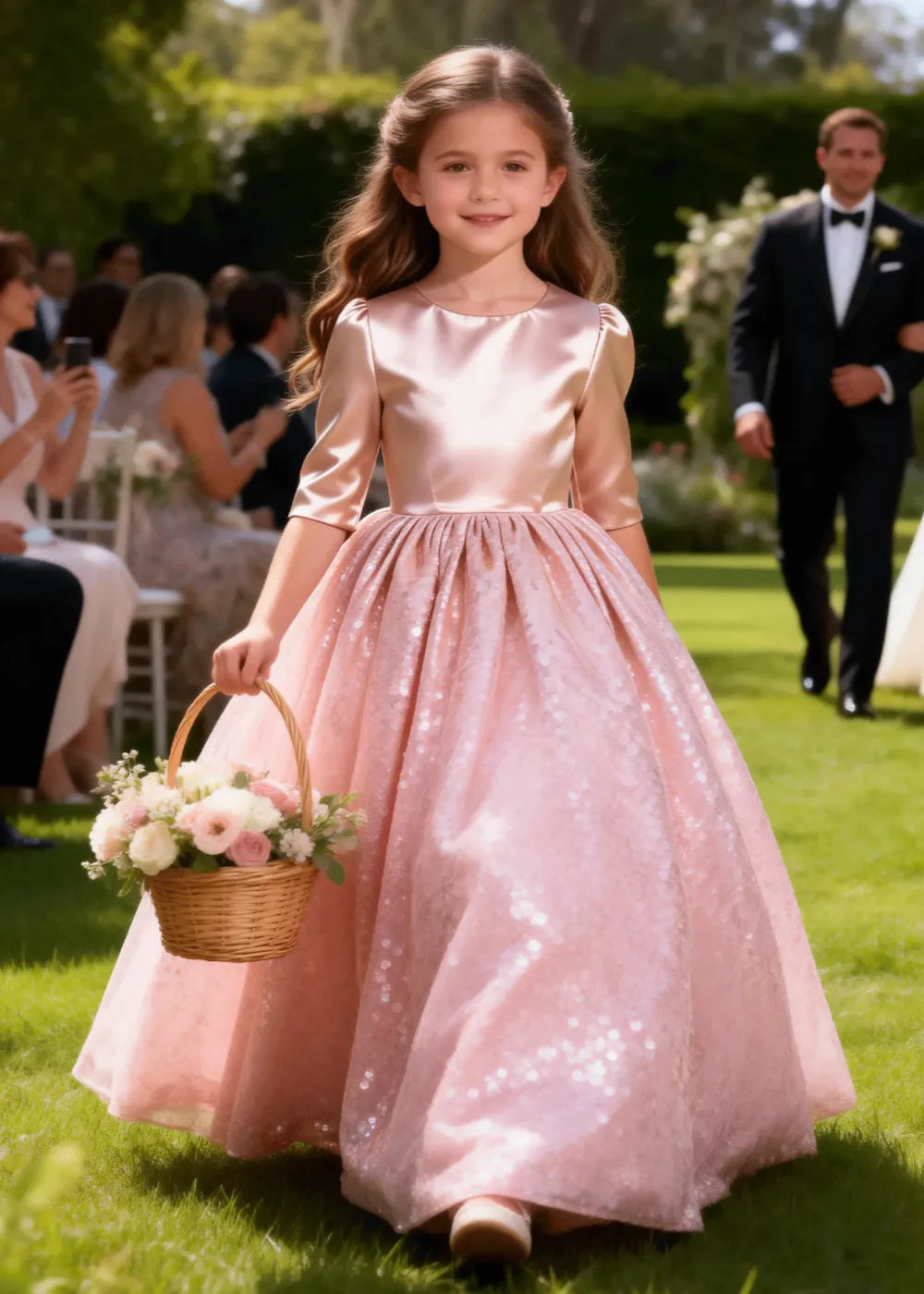

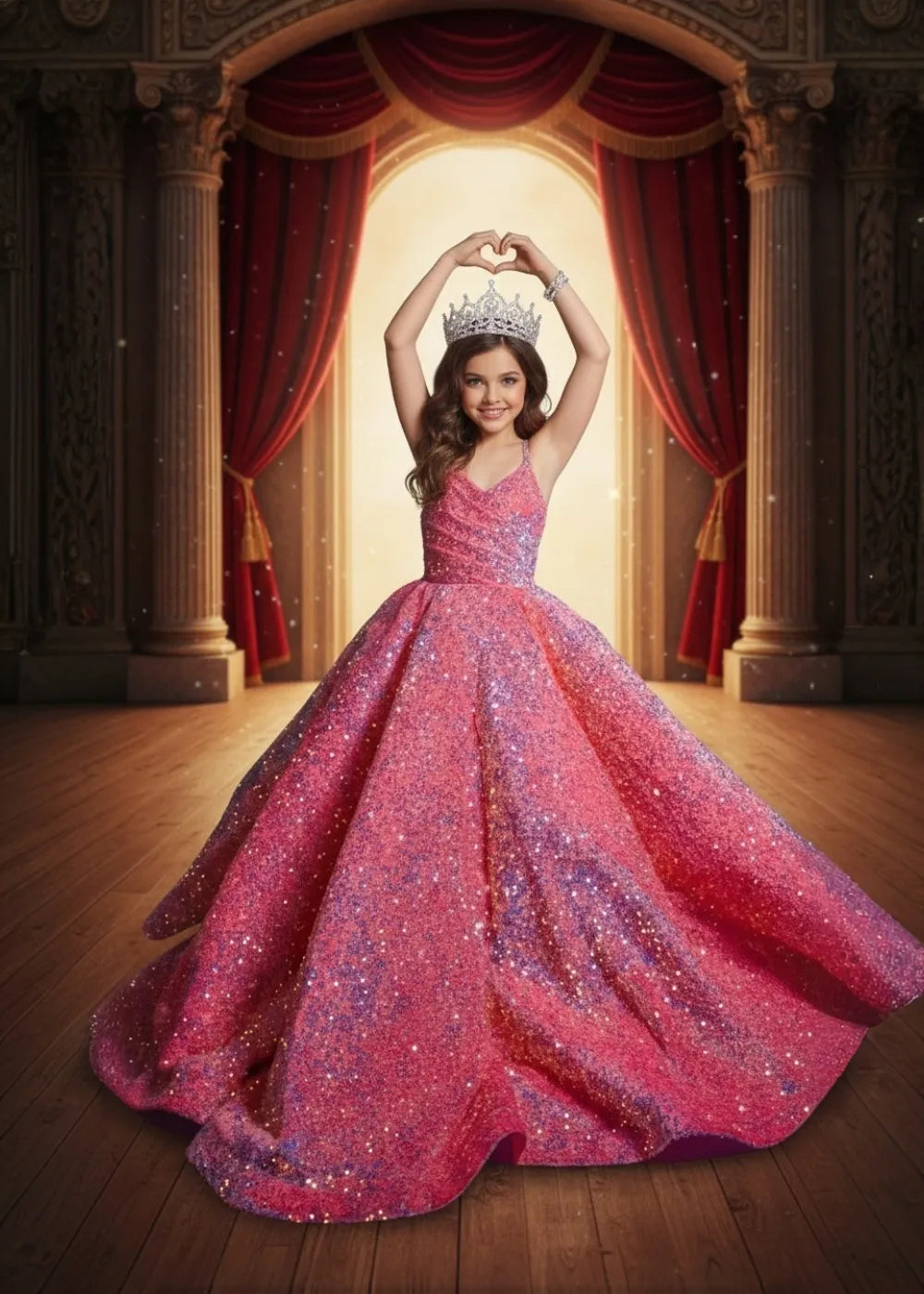


A homecoming invitation may say "semi-formal," but that still leaves plenty of room for interpretation. Should you wear a short dress or a long one? Is a strapless or backless style appropriate? And what if your school has specific rules about hems, necklines, cutouts, or coverage?
A simpler way to choose is to make three decisions in order: check your school's written rules, match the formality of the event, and make sure the dress still feels comfortable when you move.
Once those three points are clear, browsing homecoming dresses becomes much more straightforward.
What You'll Learn
Quick Answer: What Is the Homecoming Dress Code?
Most homecoming events call for dressy or semi-formal attire, although some schools lean more formal. Short and knee-length dresses are common for semi-formal dances, while midi and long dresses tend to suit dressier events.
A homecoming dress is simply a dress chosen for your school's homecoming event; there is no single required length, silhouette, or neckline. Your school's own policy should always take priority when it comes to hems, straps, backs, cutouts, slits, or sheer details.
Before you shop: Treat this guide as general advice, then compare it with your school's current handbook, dance announcement, or written event policy. School-specific requirements come first.
What Does the Homecoming Dress Code Usually Mean?

Homecoming does not come with one universal level of formality. One school may describe the dance as dressy casual, another as semi-formal, and another may expect a noticeably more formal look.
Instead of relying on the word "homecoming" alone, look at the invitation, venue, event format, and any dress guidance provided by the school.
Dressy Casual
A dressy-casual homecoming calls for more polish than an everyday outfit without moving all the way into evening-gown territory.
A simple short A-line dress, a fit-and-flare silhouette, or an understated knee-length style usually fits the mood well. The goal is to look ready for a special school event without appearing dramatically overdressed.
Semi-Formal Homecoming
For a typical school homecoming, semi-formal attire is often the safest place to start.
Schools may define that level differently. For example, Orangewood Christian School's dress code describes its Homecoming Dance as semi-formal and allows modest long or short dresses. That is a useful reminder that your own school's event guidance matters more than a general fashion rule.
Semi-formal homecoming dresses usually sit between casual party dresses and full formal gowns. Short cocktail-style dresses, knee-length silhouettes, simple midis, A-line styles, and fit-and-flare dresses all fit naturally within that range.
A chiffon midi dress with an A-line silhouette can be a great choice for semi-formal homecoming events. The lightweight fabric creates graceful movement, while the midi length offers a balance between comfort and a polished appearance throughout the evening.
The Flutter Sleeve A-Line Chiffon Midi Dress is a good example of this balanced approach, featuring soft flutter sleeves, a flowing A-line shape, and an elegant silhouette that works well for dancing, photos, and extended wear.
For a dance-focused event, the best option is not simply the dress that looks most polished in a photo. It should also stay secure while you sit, walk, raise your arms, and dance.
Seeing different semi-formal silhouettes on real people can make it easier to understand how homecoming styles balance elegance, comfort, and movement.
Formal Homecoming
A homecoming may feel more formal when the event includes dinner, takes place in a ballroom or hotel, or is explicitly described that way by the school.
In those settings, formal homecoming dresses, polished midi styles, and long gowns are all reasonable choices.
A formal homecoming still does not necessarily call for a full prom-style gown. A flowing floor-length dress may be enough without adding a dramatic ball-gown skirt, heavy embellishment, or elaborate styling.
Check Your School's Dress Code Before You Shop
This is the step to take before choosing a color, fabric, neckline, or silhouette.
A dress can look completely appropriate for homecoming in general and still fall outside your school's requirements.
Published school policies show just how specific those rules can be. For example, Eastside High School's Homecoming Dance guidelines address dress length as well as revealing necklines, backs, midriff exposure, and sheer fabrics. Another school may use entirely different standards.
Before ordering, look for details such as:
This matters especially when shopping for high school homecoming dresses or homecoming dresses for teens. A friend's school policy, a social media post, or a general style guide cannot tell you exactly what your own school will approve.
Check the school's website, student handbook, dance flyer, ticket information, or official event message instead.
For another example of how neckline, length, and coverage work together in teen occasionwear, see our dress code guide for girls and teens.
How Long Should a Homecoming Dress Be?

There is no universally correct homecoming dress length.
A practical rule is:
Use the event's formality to narrow the length range, then use the school dress code to approve the exact dress.
Short Homecoming Dresses
Short homecoming dresses often suit semi-formal dances because they balance a polished look with easy movement.
They tend to feel youthful without looking casual, and they are usually easier to walk and dance in than a floor-length gown. For a traditional school dance rather than a formal dinner or ballroom event, a shorter silhouette may also feel more in proportion with the occasion.
Once you know what your school permits, you can explore short dresses within that range.
Just remember that "short" does not automatically mean dress-code compliant. Hemlines can look very different once you sit down, walk, or lift your arms.
The Rosette Ruffle Chiffon Mini Dress is a good example of how short fit-and-flare styles can combine youthful details with a polished homecoming look. With layered ruffle details and lightweight chiffon fabric, it creates a feminine silhouette while still allowing comfortable movement. Before choosing a short homecoming dress, check your school's guidelines for hem length and coverage, while making sure the style allows comfortable movement throughout the night.
Knee-Length Homecoming Dresses
Knee-length homecoming dresses sit comfortably between a mini and a dressier midi.
They are a strong option when you want a polished semi-formal look with a little more coverage. They also suit events that combine dinner, photos, walking, and plenty of time on the dance floor.
Knee length does not automatically guarantee approval, but it often gives you more flexibility when your school's hem rules are on the conservative side.
Midi Homecoming Dresses
Midi homecoming dresses offer more coverage than a cocktail dress without the formality of a floor-length gown.
They are particularly well suited to dressier semi-formal events, students who prefer more coverage, or venues where a short mini would feel slightly underdressed.
Do not judge a midi by length alone. A narrow skirt may restrict your stride more than a fuller short dress, so walk, sit, use stairs, and move around before making the final decision.
Can You Wear a Long Dress to Homecoming?
Yes. Long homecoming dresses are a natural choice when the invitation or venue clearly calls for a more formal look.
Pay attention to the wording of the event, the setting, whether dinner is included, and any guidance the school provides. If those details all point toward a dressier evening, a floor-length silhouette will not feel out of place.
The Aveline Tie-Shoulder Chiffon Formal Dress is a good example of how a long silhouette can still feel light and comfortable for homecoming. Featuring a flowing chiffon A-line shape instead of a heavier, structured ball-gown silhouette, it creates an elegant look while allowing easy movement throughout the evening.
For many semi-formal school dances, however, a full-length gown may feel more elevated than necessary, depending on the event style.
Comparing different dress lengths and silhouettes can make it easier to choose a style that matches your event, comfort level, and personal preference.
For a closer look at how length affects both formality and practicality at teen events, see our guide to choosing between short and long dresses.
Are Strapless, Backless and Off-the-Shoulder Dresses Appropriate?

Potentially. Popularity matters less than whether the style meets your school's rules and stays secure while you move.
Strapless Homecoming Dresses
A strapless homecoming dress can look completely at home at a semi-formal or formal dance, but the first question is whether your school has specific shoulder or strap requirements.
Those policies are not universal. West Wilkes High School's formal-event dress code, for example, allows strapless dresses while still setting separate expectations for dress length, coverage, cutouts, and sheer materials. Checking your school's guidelines before buying can help avoid last-minute surprises.
Once the dress passes the policy check, test the fit. A strapless bodice that feels secure in front of a mirror may shift once you start raising your arms or dancing.
The Celestine Strapless Satin A-Line Formal Gown shows how a strapless homecoming dress can feel both elegant and wearable. Its supportive bodice, smooth satin finish, and flowing A-line skirt create a polished look while allowing comfortable movement throughout the evening.
A single dress may need to meet several expectations at once, including neckline rules, coverage requirements, and comfort for dancing.
Backless and Open-Back Homecoming Dresses
With a backless homecoming dress or open back homecoming dress, look beyond the label.
Check how low the back actually sits, how much of the sides are exposed, and whether the amount of coverage changes as you move. Support matters too. A dress that requires constant adjustment may be frustrating even if it technically meets the written rules.
Off-the-Shoulder Homecoming Dresses
An off the shoulder homecoming dress usually offers more bodice structure than a fully strapless design, but that does not make it automatically acceptable at every school.
Review any shoulder-coverage requirements, then make sure the neckline stays in place when you raise your arms, sit down, and dance.
The 5-Minute Movement Test
Before committing to the dress, give it a realistic test:
- Sit naturally for one minute.
- Raise both arms above your head.
- Walk several normal steps.
- Turn and bend slightly.
- Dance for two or three minutes.
- Recheck the neckline, hem, back, straps, and slit.
If you spend the test pulling, pinning, or repositioning the dress, that is worth knowing before homecoming night.
When Modest Homecoming Dresses Make More Sense

Modest homecoming dresses are not only for schools with strict dress codes.
They are also worth considering if you prefer more coverage, want fewer wardrobe adjustments during the evening, or are attending a dinner-and-dance event where a more covered silhouette feels appropriate.
Look for details such as knee-length or midi hems, higher necklines, wider straps, sleeves, full lining, and controlled slits.
More coverage does not limit you to one look; silhouettes, fabrics, and levels of formality can still vary widely.
The Floral Appliqué Illusion-Neck Formal Gown is a good example of how a modest homecoming dress can feel elegant without looking overly formal. Its illusion neckline, floral appliqué details, and flowing A-line silhouette offer a more covered look while keeping the style light and graceful.
As with any homecoming dress, the final choice should depend on your school's specific dress code requirements.
Homecoming Dress Code by Scenario

The easiest way to apply these rules is to look at the event you are actually attending.
Scenario 1: A Typical Semi-Formal High School Homecoming Dance
Situation: The night includes photos, socializing, and several hours of dancing.
Best direction: Short or knee-length A-line and fit-and-flare silhouettes usually strike the right balance between polished and practical.
Main check: Hem length and freedom of movement.
Verdict: Choose a semi-formal dress that looks polished but still feels easy to wear after the photos are over.
Scenario 2: A School With a Conservative Dress Code
Situation: Your school sets clearer limits on hems, backs, necklines, cutouts, or exposed midriff.
Best direction: Start with modest knee-length or midi silhouettes, higher necklines, wider straps, or sleeves.
Main check: The dress should meet the rules without depending on a cardigan, tape, pins, or a last-minute alteration.
Verdict: Begin with a dress that already meets the policy rather than planning to fix coverage later.
Scenario 3: A Formal Homecoming Dinner and Dance
Situation: The invitation, venue, or event format clearly feels more formal.
Best direction: Midi or long dresses in polished fabrics such as chiffon or satin.
Main check: Do not assume that the word "formal" automatically requires a full prom look.
Verdict: Match the gown to the actual event, not simply to the label on the invitation.
Scenario 4: You Want a Strapless, Backless or Off-the-Shoulder Dress
Situation: You already know which silhouette you prefer.
Best direction: Check the school's policy first, then test the dress in motion.
Main check: Neckline security, back coverage, shoulder requirements, and hem movement.
Verdict: Keep the style only if both the written rules and the movement test give you a clear yes.
Common Homecoming Dress Code Mistakes
Ignoring School-Specific Rules
General style advice can tell you what is common. It cannot tell you exactly what your school will approve.
Read the current policy before getting attached to a specific dress. If the wording is unclear, asking the school before purchasing is safer than guessing.
Assuming Homecoming and Prom Have the Same Formality
Homecoming and prom do not necessarily call for the same level of dress.
Some homecoming events are relatively relaxed, while others are noticeably more formal. Let the invitation, venue, event format, and school guidance set the tone.
Checking the Dress Only While Standing
Fit changes once you move.
A hem may rise when you sit. A slit may open more as you walk. A neckline may shift when you lift your arms.
The fitting-room mirror is only the first test.
Choosing Appearance Over Comfort
Homecoming lasts longer than the photo session.
You may spend several hours sitting, walking, talking, and dancing, so small fit problems can become much more noticeable as the evening goes on.
For more movement-focused advice, see our guide to choosing a dress for a school dance.
Quick Homecoming Dress Code Checklist
Before homecoming night, check that:
- You have read your school's current written dress code.
- You know whether the event is dressy, semi-formal, or formal.
- The dress length meets the school's requirements.
- The neckline and straps comply with the policy.
- The back and side coverage are appropriate.
- Any slit, cutout, or sheer section meets the rules.
- You can sit comfortably.
- You can raise both arms without adjusting the dress.
- You can walk and dance comfortably.
- You have tried on the complete outfit with your shoes.
Final Takeaway
The homecoming dress code becomes much easier to interpret when you make three decisions in the right order.
Start with your school's rules. Then match the dress to the actual formality of the event. Finally, make sure the outfit still feels secure and comfortable when you sit, walk, raise your arms, and dance.
Once those questions are answered, you can browse homecoming dresses by length, silhouette, and coverage with a much clearer sense of what fits your event.


